
Public governance focuses on how governments manage institutions and deliver services to citizens. Effective governance requires transparency, accountability, and well-structured administrative systems.
Government institutions develop policies that guide economic development, public infrastructure, and social programs. Ministries and agencies coordinate these initiatives to ensure policies translate into real outcomes.
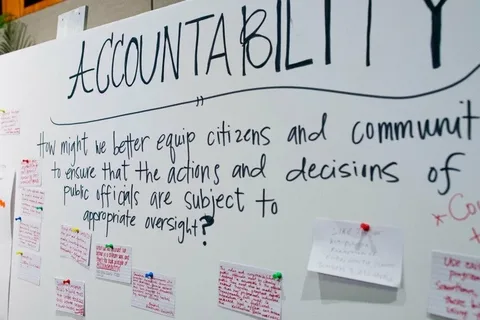
Institutional accountability is essential for maintaining public trust. Oversight bodies such as independent auditors and parliamentary committees monitor government performance and financial management.
Digital technologies have improved transparency in many countries. Online portals allow citizens to access public data, monitor government spending, and submit service requests more easily.
Public participation also contributes to effective governance. Civic engagement through consultations and elections helps policymakers understand social priorities and community needs.
By strengthening institutions and promoting responsible leadership, governments can improve policy outcomes and support long-term national development.